|
Insights into Women Writing Architecture
|
|
|
March Equinox 2026: Living in the Sky |
|
|
Guest editors, Polish architectural practice Centrala, introduce us to their current preoccupations through the idea of archaeoastronomy. In an email to us, they explain why:
Regarding the theme, we would like to adhere quite literally to the Equinox occurrence, and share our most recent fascination and research into archeoastronomy and the role that architecture has played and can play in facilitating collective rituals of observing the sky. We’d like to reclaim communal naked-eye sky watching as opposed to telescopic observations by privileged individuals, and we imagine doing so through an array of examples such as the Jantar Mantars of India, the Menhirs of England and the stone circles near the Odra river in Poland. |
|
|
I’ve got the sky behind my back, at hand, and on my eyelids. The sky binds me tight and sweeps me off my feet. (Wisława Szymborska) Bound to the ground, we live submerged at the bottom of an ocean of the element air. Within this atmospheric space, we carry out our daily lives – moving, sleeping, gathering, and thinking. However, in modern life the sky, as the vast and ever-changing field above us, often slips from our attention. We are in need of a reconnection with this environment. Through architecture, we shape matter to extend our physical presence into the world; it acts as the medium for experiencing and interpreting our surroundings. Architectural envelopes, thresholds, and openings define our relationship with the environment, guiding our perception and orienting our senses. They can therefore allow us to reconnect with the sky... [read more]
|
|
|
In addition to their image essay above and below, Centrala's article, 'Living in the Sky', is accompanied by a conversation between them and Women Writing Architecture in a dedicated Insights booklet.
Also on the website, is a collection by Women Writing Architecture inspired by their theme, which includes texts that Centrala themselves suggested. We found that the literature is dominated by colonial and / or scientific male perspectives until quite recently. This challenge prompts reflection on how women were able to frame an equivalent knowledge related to a female engagement with astronomy as part of the natural world, for example as healers whose bodies explicitly reveal astronomical cycles, or as anonymous researchers contributing to a Carte du Ciel.
|
|
|
Image Key
Title image: Astronomical Observatory of Johannes and Elżbieta Hevelius, Gdansk 1673
1. Którędy do gwiazd? [Which way to the Stars?] by Anna Czerwińska-Rydel. A book about Elżbieta Heweliusz, the first Polish female astronomer and wife of Johannes Heweliusz.
2. The Silver Garden, Centrala. A crater-like landscape filled with silvery plants, designed to enhance experience of Earthshine.
3. Observations of the sun, Angelo Secchi, Osservatorio del Collegio Romano. 1858–87.
4. Sky [extract from poem] by Wiesława Szymborska.
5. The Einstein Tower is an astrophysical observatory in the Albert Einstein Science Park in Potsdam, Germany. The Tower was built by architect Erich Mendelsohn in 1921.
6. Delhi Observatory ca. 1721-1724 - photographed by Madan Mahatta, 1955.
7. Diagram of the Stone Circles at Odry in central Poland.
8. Soane office, RA Lecture Survey Drawing of Stonehenge, Henry Parke, 21 June 1817
|
|
|
Happening: new editors @ Women Writing Architecture
Rebecca Billi
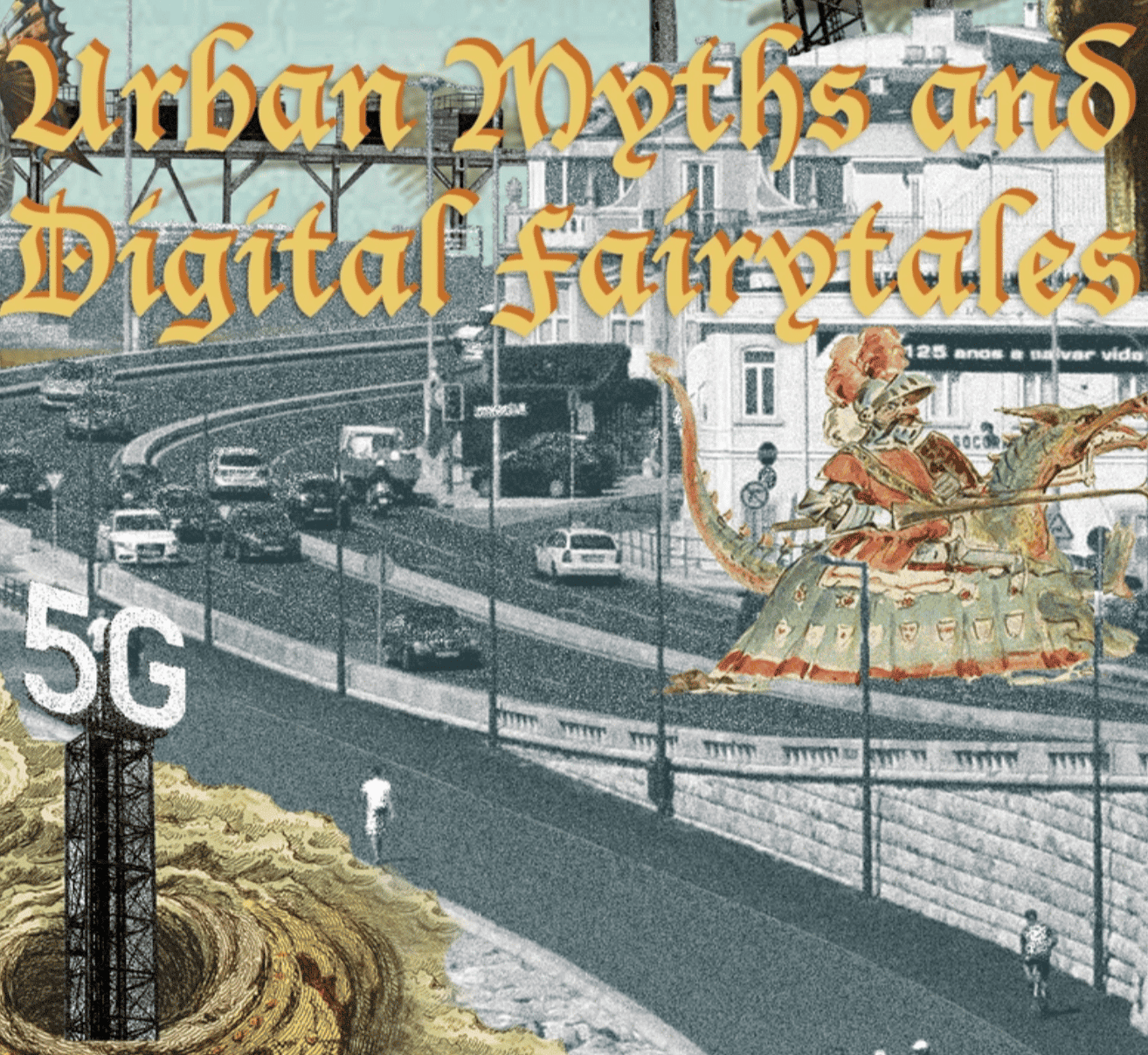
Rebecca Billi has recently joined the editorial team at Women Writing Architecture. An architect from Florence, Italy, Rebecca currently lives in Lisbon, where she is a PhD candidate in the Department of Architecture at the Universidade Autonoma de Lisboa. Her expertise is exhibitions, and we will see how this and her work on urban myths and digital fairytales, will play out in her editorship.
|
|
Jabili Sirineni
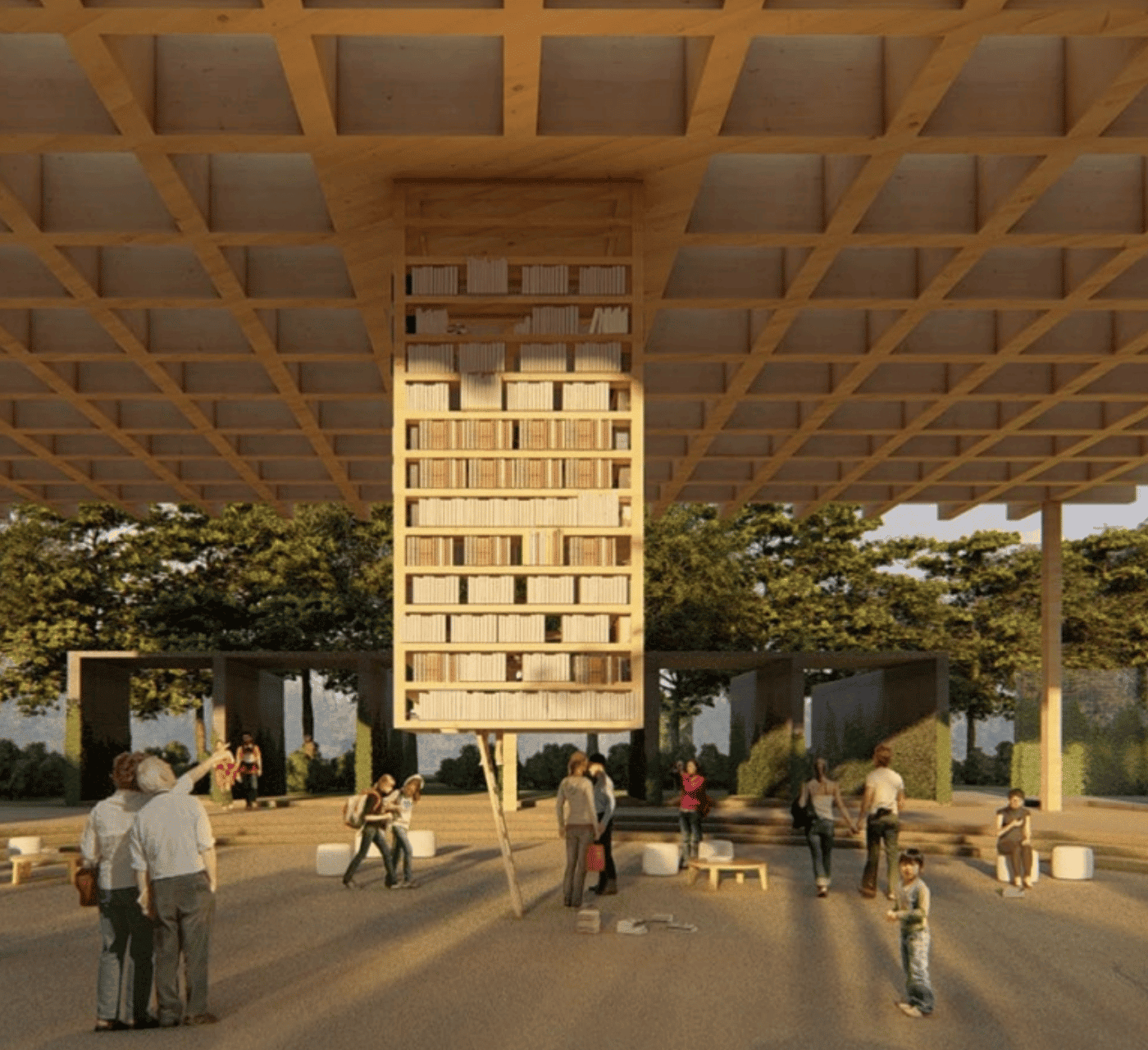
Jabili Nellutla-Sirineni recently completed her Master's Degree in Design Research from the Bauhaus Dessau Foundation. An architect from Hyderabad, India who also writes poetry, Jabili currently lives in Dessau where she works as a freelance writer and researcher. Jabili uses techniques from Social Reproduction Theory which she has applied to informal domestic dwelling on building sites.
|
Happened
|
|
Speaking with Architects
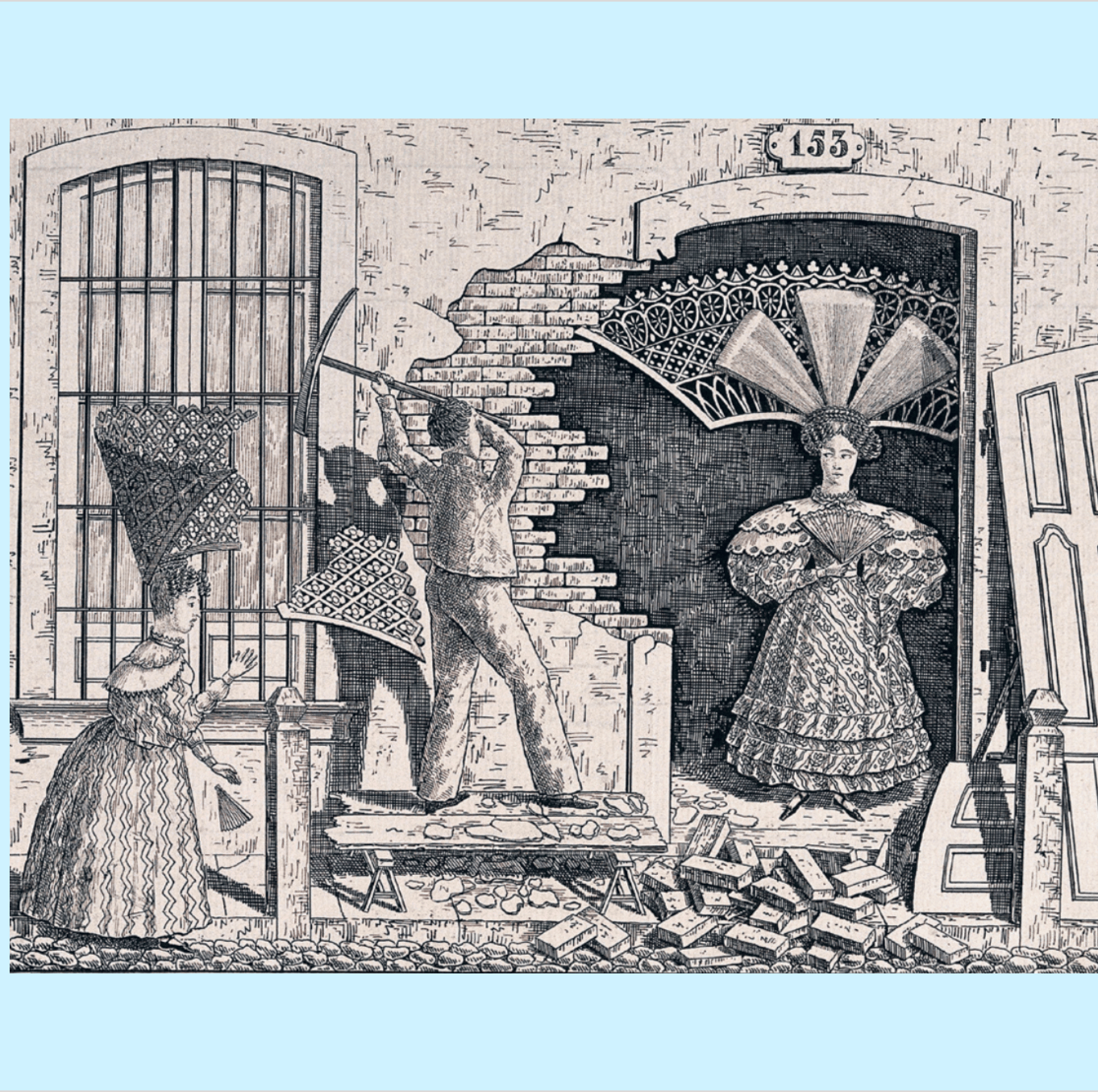
Every month, David Chipperfield Architects hosts a lecture at their London office. In February, Women Writing Architecture were invited to speak, and began with Audré Lourde's dictum "the master's tools will never dismantle that master's house". The talk soon became a fruitful conversation with architects from the office.
|
|
|
|
Thank you for taking a look at our insights into Women Writing Architecture, a growing community-generated annotated bibliography of writing by women about architecture that tests the boundaries of each of these three terms. Please feel welcome to contribute and critique by emailing editors@womenwritingarchitecture.org
Guest Editors of Insights March Equinox 2026
Centrala: Małgorzata Kuciewicz and Simone De Iacobis
with Helen Thomas of Women Writing Architecture
womenwritingarchitecture.org
|
|
|
